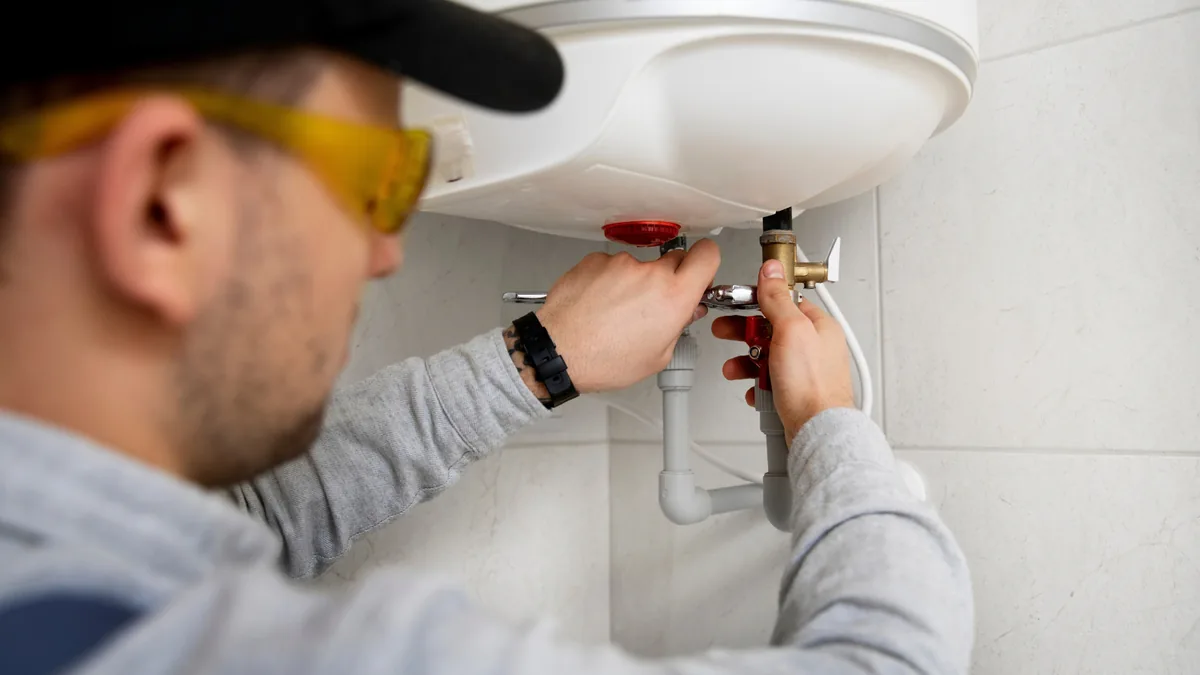
Emergency Water Heater Repair in Loveland, CO
No hot water, a leaking tank, or a pilot light that won't stay lit? Our 24/7 emergency plumbers diagnose and repair most water heater failures the same day.
Signs Your Water Heater Needs Repair
No Hot Water At All
Often a failed heating element, thermocouple, or gas valve.
Lukewarm Water Only
One of two elements failed on an electric unit, or a partially closed gas valve.
Leaking Around The Base
Can mean a failed drain valve, a loose fitting, or a cracked tank.
Rumbling Or Popping
Sediment buildup on the tank bottom, worse with Loveland's hard water.
If You Have No Hot Water Right Now
A dead water heater is one of our most common emergency calls, and it's dispatched with the same urgency as a burst pipe. Our emergency line is answered 24/7, including nights, weekends, and holidays, and a technician arrives with the parts to fix most common failures on the first visit rather than needing to order anything. If the tank is actively leaking, shutting off the cold water supply valve at the top of the unit before we arrive limits any water damage in the meantime.
Gas and electric units fail differently, which is why we ask a few questions on the phone before dispatching. A gas unit with no hot water is often a thermocouple that's stopped sensing pilot flame correctly, causing the gas valve to shut off as a safety measure. An electric unit is more often one of its two heating elements burning out, which shows up as lukewarm rather than fully cold water if only the lower element has failed. Neither diagnosis needs to happen over the phone. It just helps the technician bring the right parts on the first trip.
Any repair that touches the gas line, the temperature and pressure relief valve, or the venting follows the same International Plumbing Code (IPC) framework Colorado has adopted for new installs. A repair that skips those requirements to save time is the kind of shortcut that shows up as a real safety issue later, not just a code technicality.
No Hot Water Right Now?
Our emergency line is answered 24/7, every day of the year.
What Determines The Right Fix
A single failed part on a tank under 8-10 years old is almost always worth repairing rather than replacing. Thermocouples, heating elements, thermostats, and high-limit switches are common, inexpensive fixes on both gas and electric units. Once a tank is past 10-12 years old, has failed more than once in the past year, or is actively leaking from the tank body itself rather than a fitting, replacement is usually the better value, and we'll tell you plainly which situation you're in.
Most single-part repairs fall in this range. Exact quote after diagnosis, before any work begins.
How An Emergency Repair Call Works
Call
Describe the problem, day or night, on our emergency line.
Diagnose
Gas/electric system check to isolate the failed part.
Repair
Most single-part failures fixed on the first visit.
Verify
Full temperature and leak check before we leave.
Older Basements And Newer Garages Fail Differently
Tank heaters in older West Central Loveland basements often fail from decades of sediment and a worn-out anode rod. Newer units in Centerra and Mariana Butte more often show thermostat, heating element, or igniter problems. Hard water speeds up both, and a tank flush at the first sign of rumbling is the cheapest repair there is.
Water Pooling, A Full Drip Pan, Or A Dead Pilot
Leak calls come in at every hour and they sound alike. A bucket fills under the tank, the drain pan holds water, or a puddle spreads across the garage floor. Close the cold supply valve above the heater, switch off the power or gas control, and call. Stopping the supply limits damage while the cause is sorted out.
How Old Is The Tank?
A tank past its expected life that leaks from the body is usually finished. A leak from a fitting, a valve, or the relief line may be repairable. Tell the dispatcher the tank age and where the water is coming from, since that shapes the plan before anyone arrives. If replacement is likely, the replacement page explains the options.
Codes, Pilot Lights, And Tripped Controls
A gas heater that will not relight, or a unit flashing a numeric code, often has a failed sensor, thermocouple, or igniter. Those are smaller repairs than a new tank. Write down the code and read the brand label before you call. Tankless units follow their own path on the tankless service page.
Trouble After A Recent Install
Some callers report problems right after a new heater went in, such as no heat, strange noise, or a leak at a nearby line. Mention the install date and who did the work. Problems that start immediately after an install are traced from the connections outward.
Water Heater Repair Questions
No. We give a flat price before any work starts, day or night, so an emergency call at 2am costs the same repair price as one at 2pm.
Most single-part failures, a bad thermocouple, a failed heating element, or a tripped high-limit switch, are repairable. Replacement usually makes more sense once a tank is past 10-12 years old or has already failed more than once.
Shut off the cold water supply valve at the top of the tank if it's safe to reach, and call our emergency line immediately. A leaking tank rarely gets better on its own and can cause real water damage fast.
Yes, both. Diagnosis differs (a gas unit's igniter and gas valve vs. an electric unit's heating elements and thermostat), but our technicians carry parts and tools for either type.
Close the cold water valve on top of the heater, turn off the power or set the gas control to off, and keep people away from the wet area. Then call. If water is near outlets, stay out and leave the breaker alone unless you can reach it dry.
A leak from the tank body at that age usually means replacement. A leak from a valve or fitting can be repairable. The technician checks where the water is coming from before recommending either path.
Often yes. A pilot that will not stay lit commonly traces to a worn thermocouple or a draft issue. If you smell gas, leave the area and call the gas utility first.
Same-day visits are often possible. Share what is leaking, which shutoffs you closed, and your address, and ask the dispatcher for the earliest window.